Copy the URL with your login Jupyter login token from the terminal and go to it in your web browser; If you were able to access the page, Docker and TensorFlow have been installed correctly. The best way is using Tensorflow+Docker, not only in OSX, but in Windows, Linux..mit.edu/setting-up-docker-and-tensorflow-for-mac-os-x/.
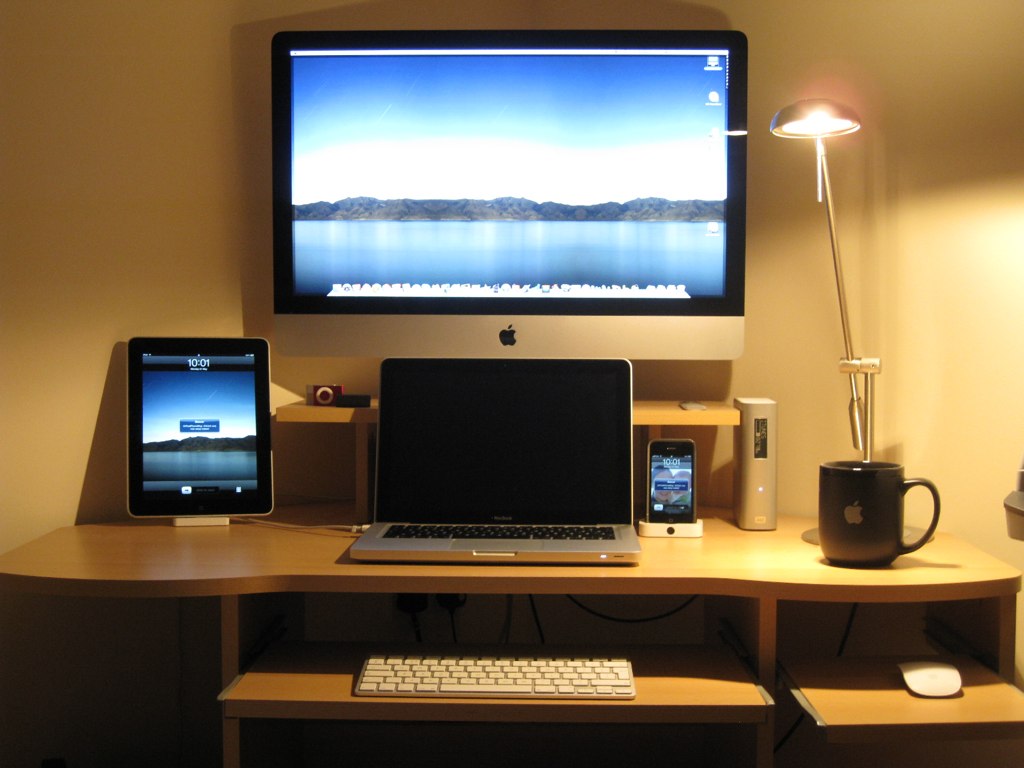

External GPUs are in the news lately, what with NVIDIA's announcement offering macOS drivers for its Titan Xp and Apple offering an eGPU Developer Kit for High Sierra, so we thought we'd take a second to explain what, exactly, an external GPU is — and how you'd go about getting one. External GPUs: Supercharging gaming and video production All Macs have a CPU, which provides the primary processing power for your computer.
Setting Up Tensorflow On Mac
But in addition, they have a GPU — a graphics processing unit — designed to drive your computer's screen, external displays, and visuals. GPUs are what sell high-end Windows gaming laptops and desktops: They keep your favorite game flawless, your external display running smoothly, and visual effects rendering speedy.
They're also very important in rendering VR experiences. But all that power comes at the expense of battery and optimization: Heavy-duty GPUs are frequent power hogs with lots of fan noise and problematic battery life.
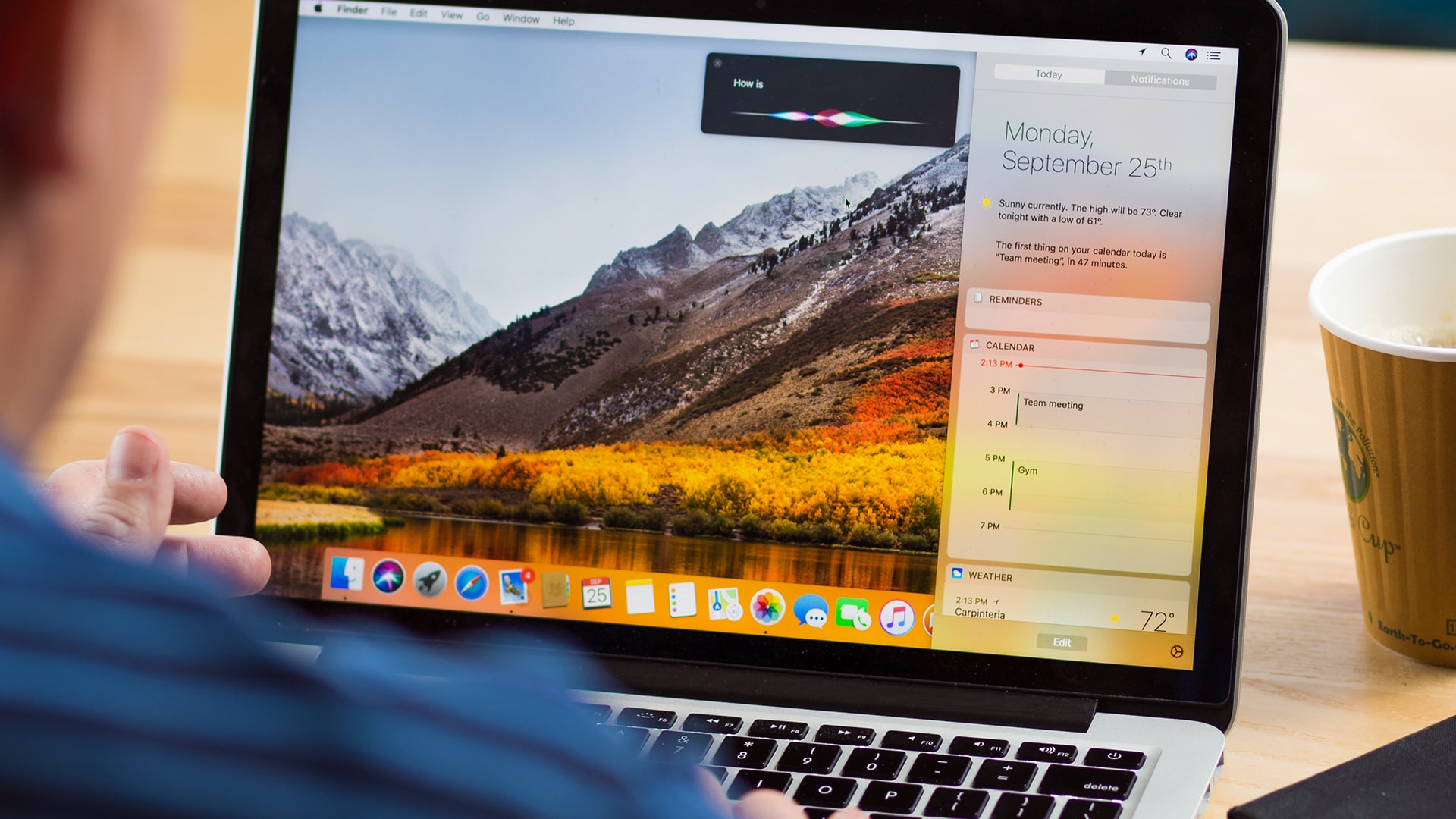
As such, Apple has historically trended toward putting in GPUs that balanced power with optimization: great for your laptop's battery life; not so great for gamers, VR, or visual effects artists. Enter external GPUs: Like external hard drives, these essentially allow you to stick a GPU in a Thunderbolt housing, where you can then connect it to your computer; from there, when you run games, VR, and visual apps optimized for that GPU you should see significant performance improvements. Awesome, right? Well, almost. The cons of an external GPU on your Mac Here's the issue: Macs won't officially support external GPUs until macOS High Sierra.
That's not to say you can't use an external GPU on older operating systems — only that Apple Support won't bail you out if you do something that doesn't agree with your Mac. Proceed at your own risk, here be dragons, et cetera. In addition, should you decide to use an external GPU, there are only a handful of Thunderbolt enclosures and graphics cards with appropriate Mac drivers — you can't just pick an arbitrary graphics card you'd like to attach to your Mac.
How to use an external GPU with your Mac Thankfully, you don't have to venture into the void without guidance: The community has put together a huge array of helpful how-tos and setup guides for interested users — I'm looking forward to using their startup guide and forums to make a Thunderbolt 3 eGPU for my MacBook Pro. Questions? Other questions about external GPUs? Let us know below.
It depends on where is $TENSORFLOW environment variable is set. Lets help it setup. First check, $ echo $TENSORFLOW if it return blank, you need to setup to access from any directory from your console.
Case-1) In case you have python from anaconda library/environment (let say you have anaconda2) Usually installed location: /anaconda2/lib/python2.7/site-package/tensorflow case-2.) In case of Python2.x or Python3.x, x = is subversion like 2.7 or 3.5 Usually installed location: /usr/local/lib/python2.x/site-packages/tensorflow Now you have identified python version. Use it as onetime path in bash or profile. $ vi /.bashrc add this line in the bottom of the basrc file. $ export $TENSORFLOW='/anaconda2/lib/python2.7/site-packages/tensorflow:$PATH' check again in a new terminal $ echo $TENSORFLOW now you can use $ python tensorflow/models/image/mnist/convolutional.py directly by $ python -m tensorflow.models.image.mnist.convolutional.py Now your program as per description in TensorFlow tutorial will search these path with period (.) instead of '/' with -m argument.